
"Memory Days" opening ceremony
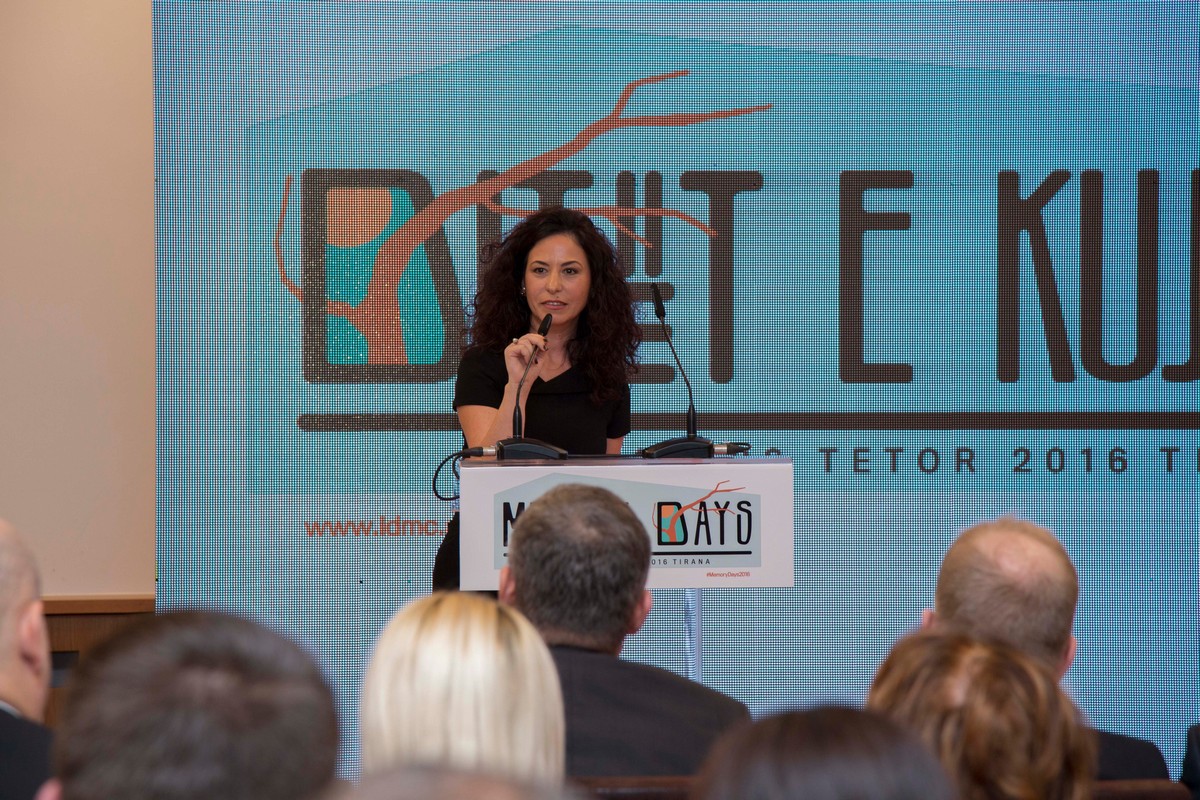
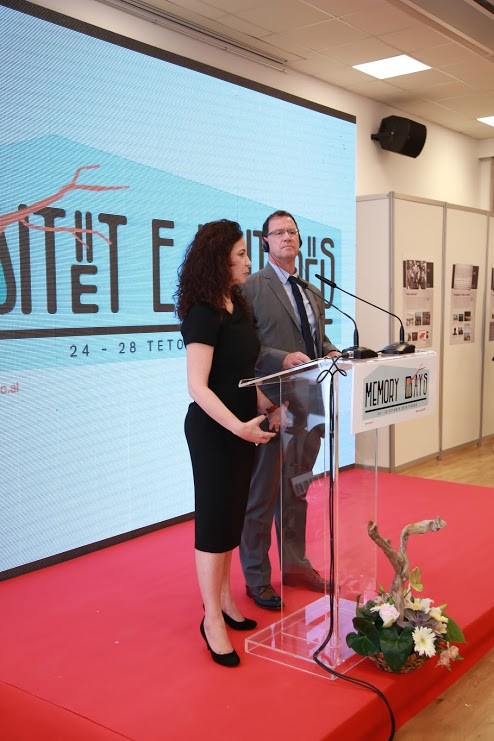
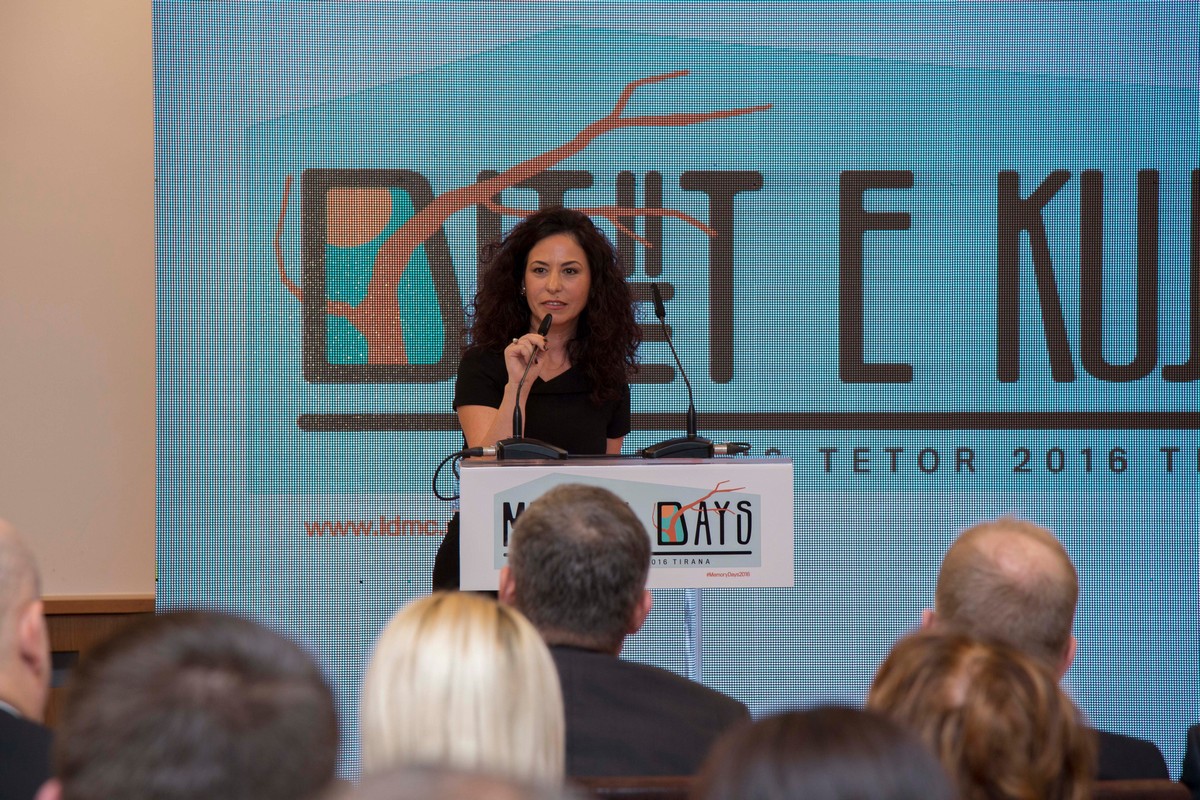
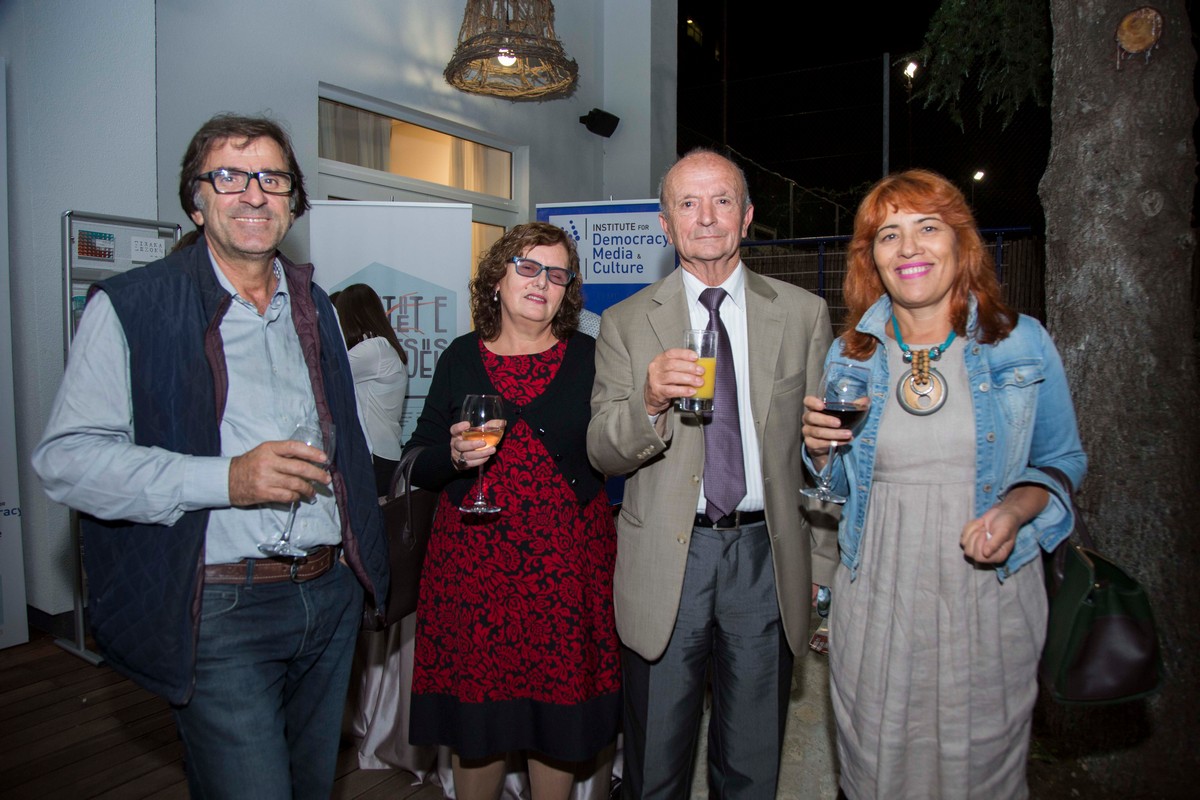
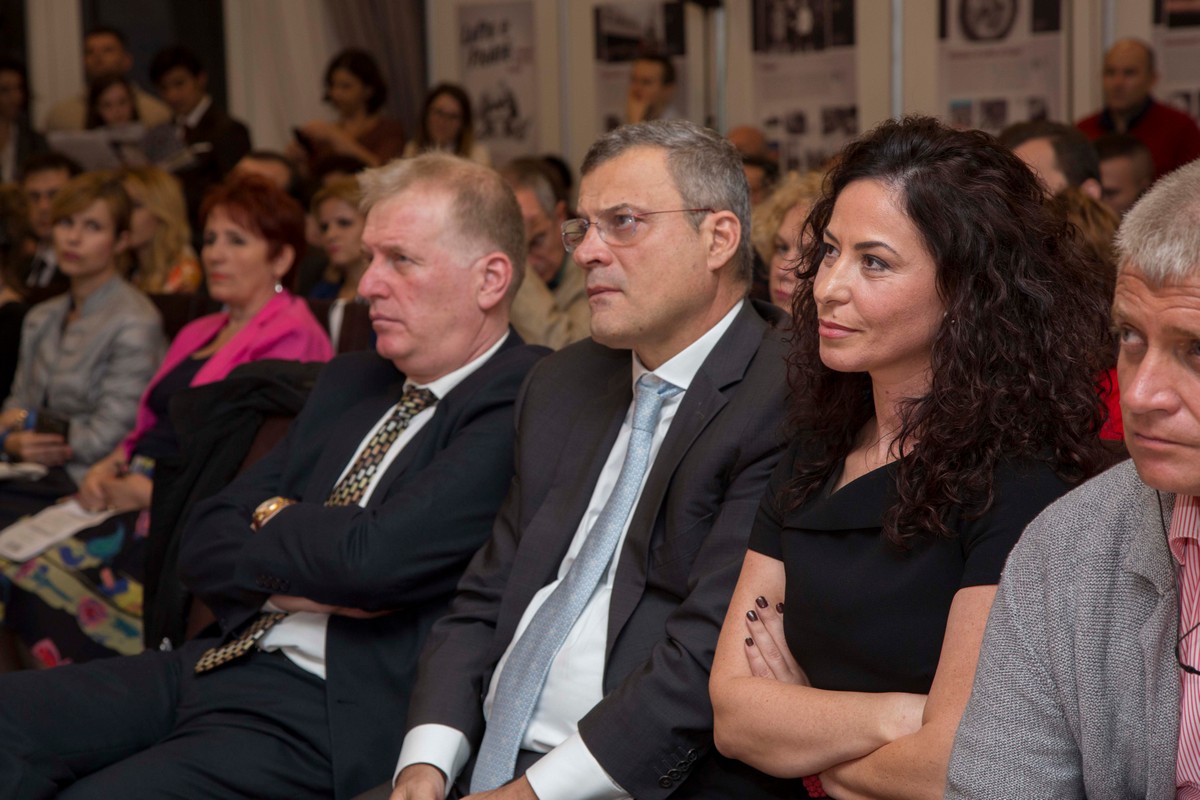
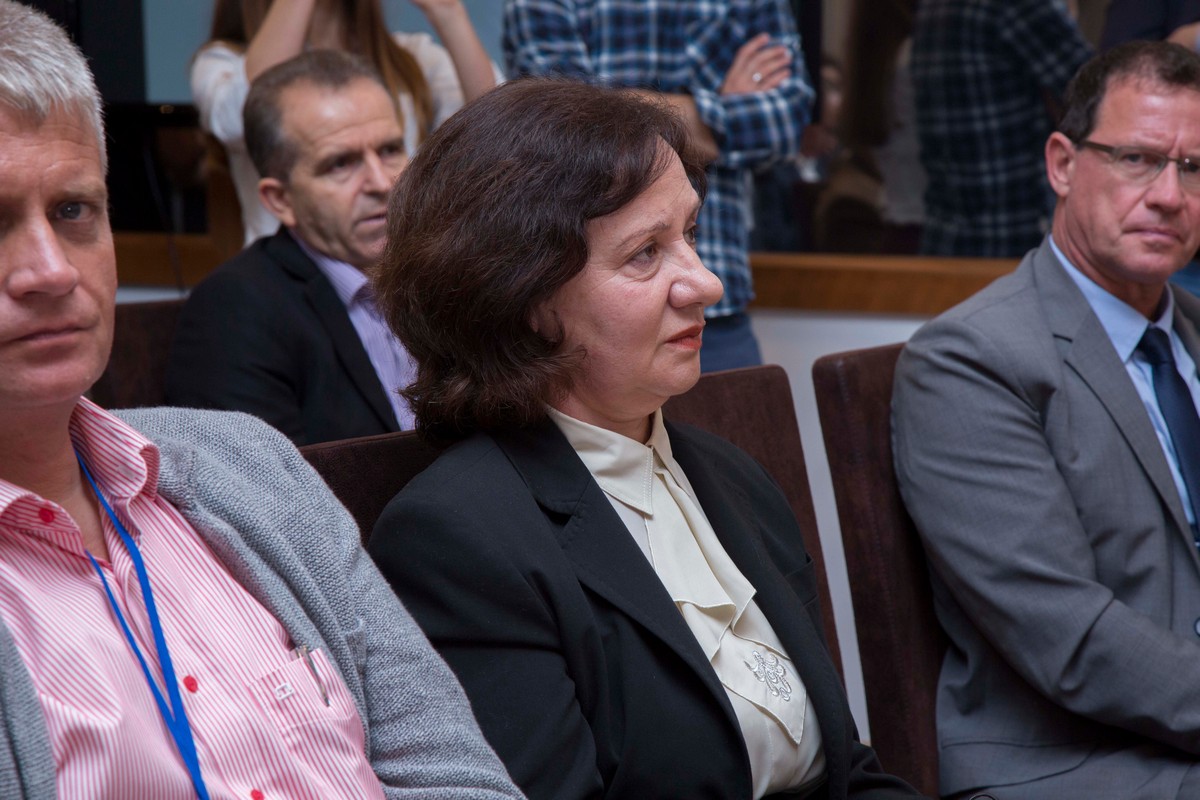
The Institute for Democracy, Media and Culture (IDMC) and the Konrad Adenauer Foundation in Tirana (KAS) officially kicked off the series of activities for "MEMORY DAYS" on October 24th.
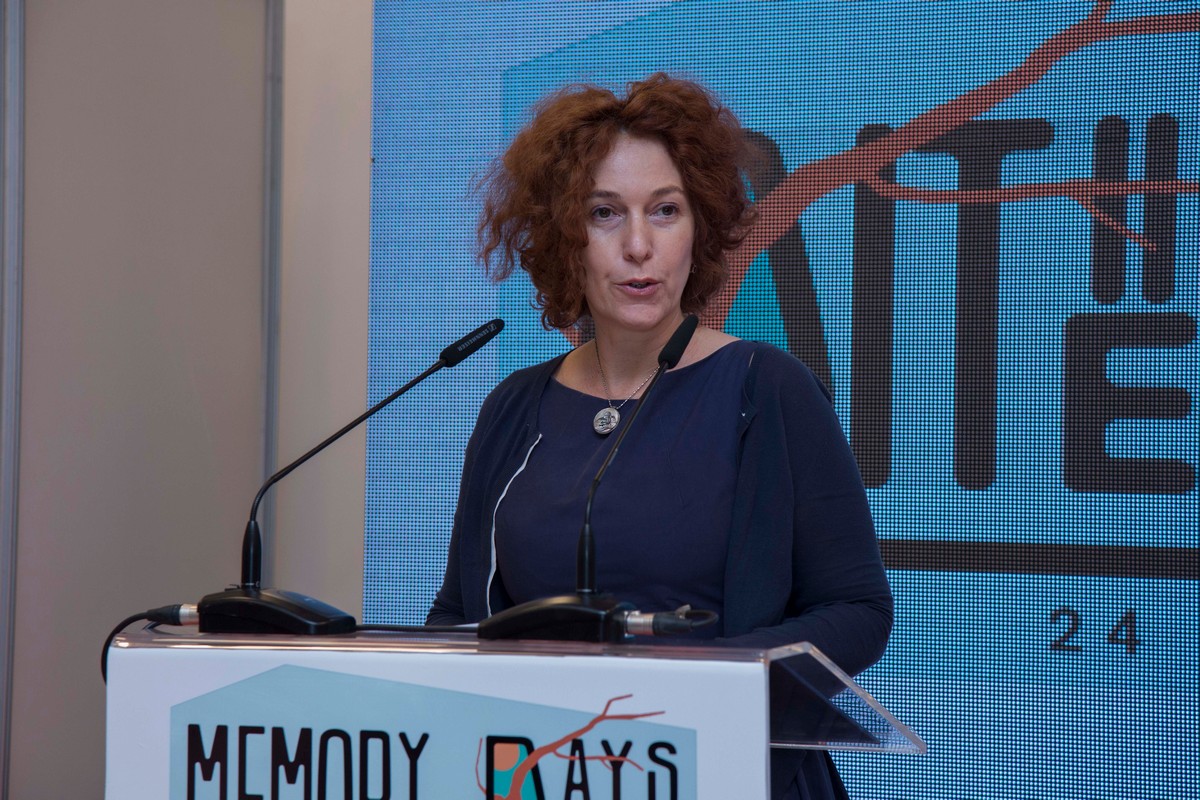
During the opening remarks at the ceremony, held near the Hotel Rogner, Jonila Godole, the Executive Director of IDMC, emphasized the importance of organizing events like these to keep the past alive. She also highlighted the need for support from state institutions in this effort.
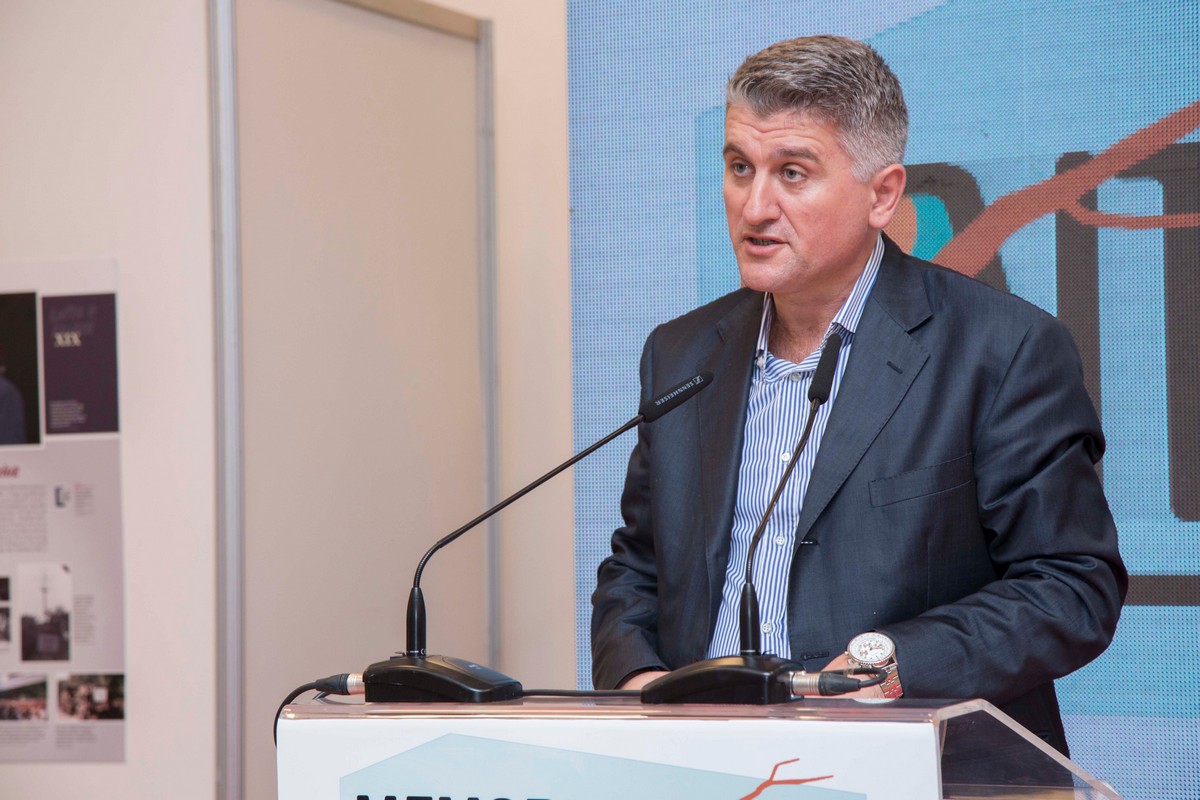
Walter Glos, the Director of KAS for Albania, stated that "remembering the past is essential for a democratic society's future." He also stressed the importance of promptly establishing the State Security Archives, as he believes that the sooner it's done, the better.
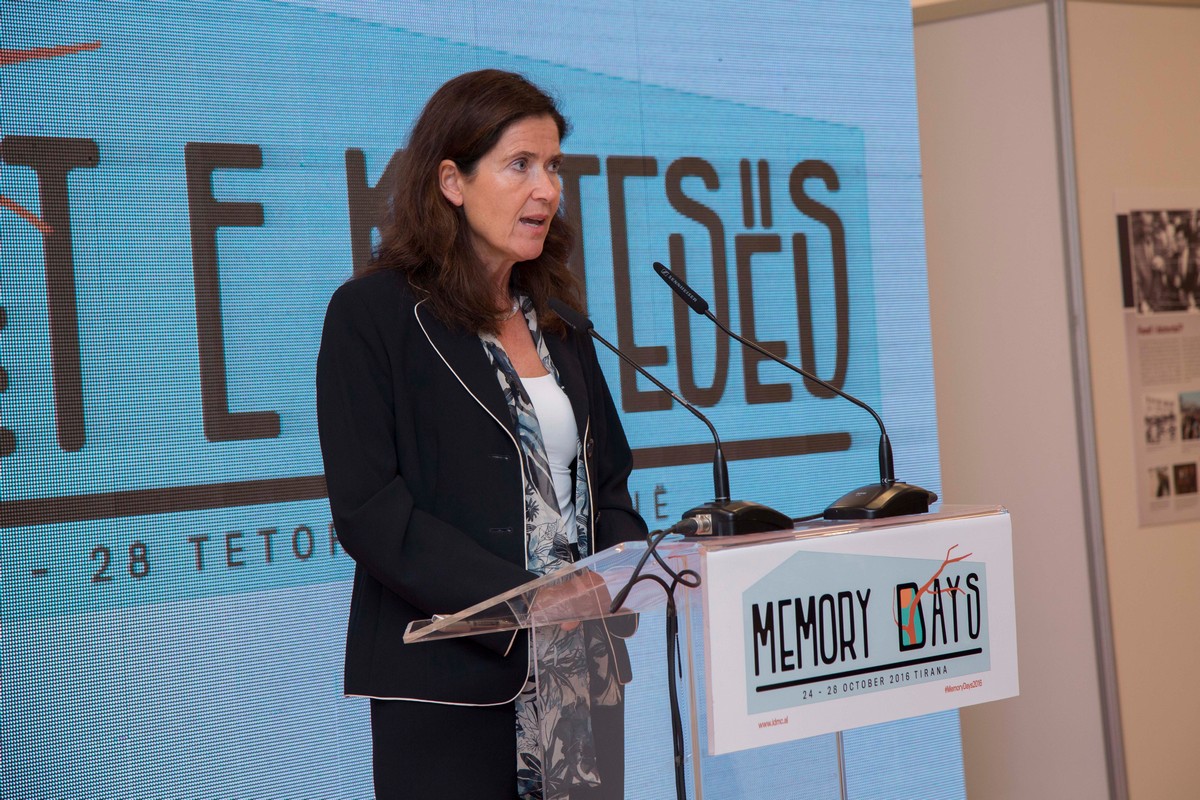
The event also featured the Ambassador of the European Union, Romana Vlahutin. She praised the initiative to revise the school curriculum, ensuring that future generations learn about the past.
"The crimes committed during the dictatorship deserve to be acknowledged. There can be no justice without truth and facts."
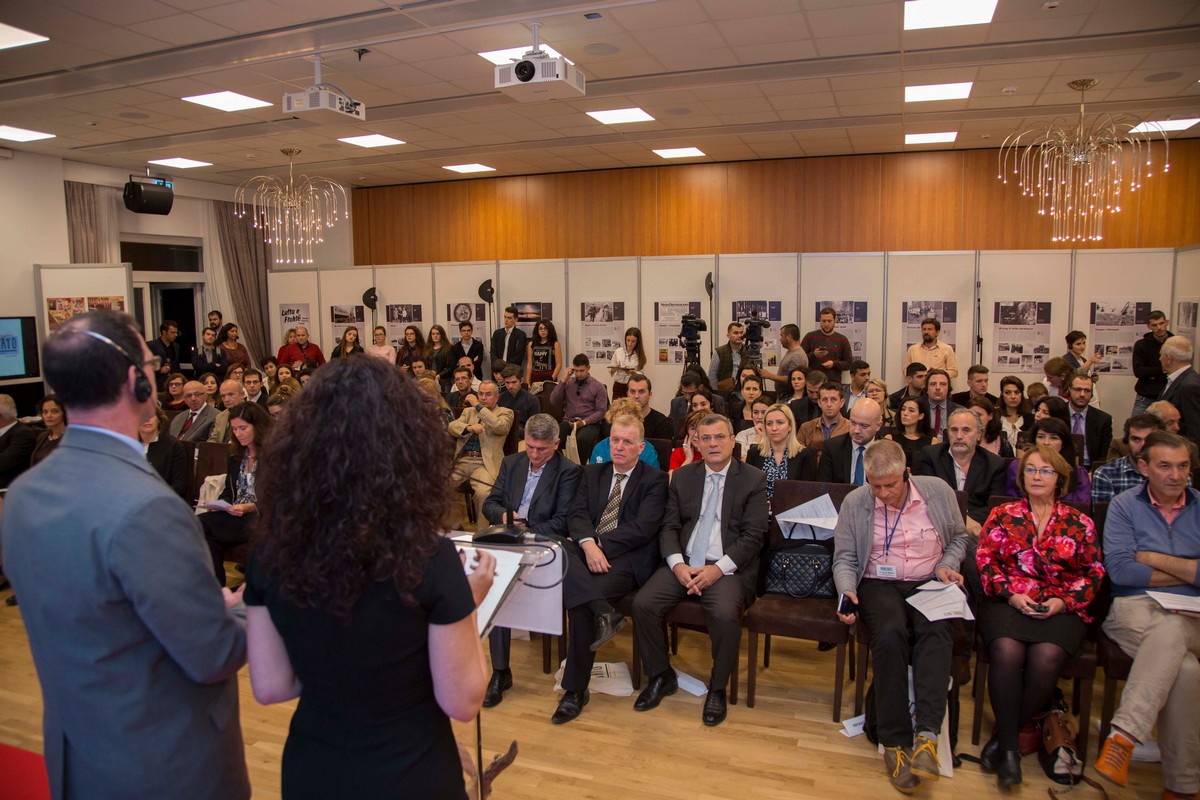
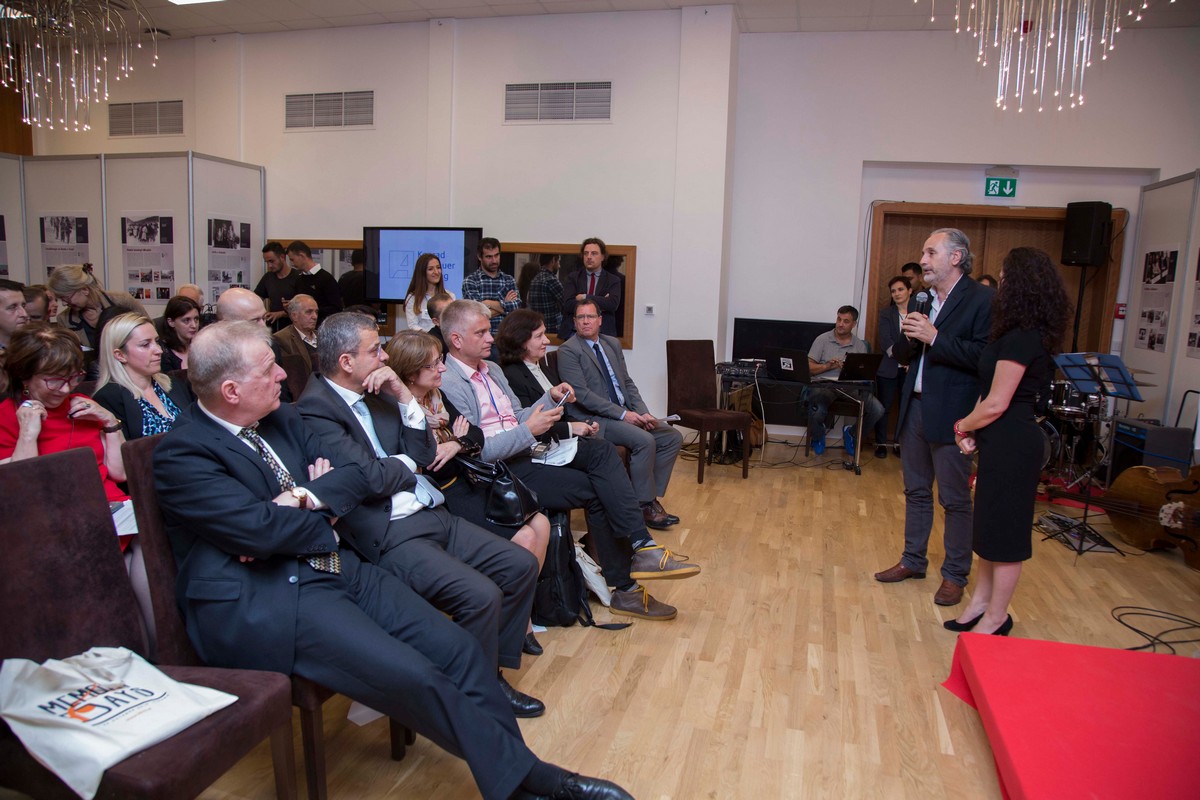
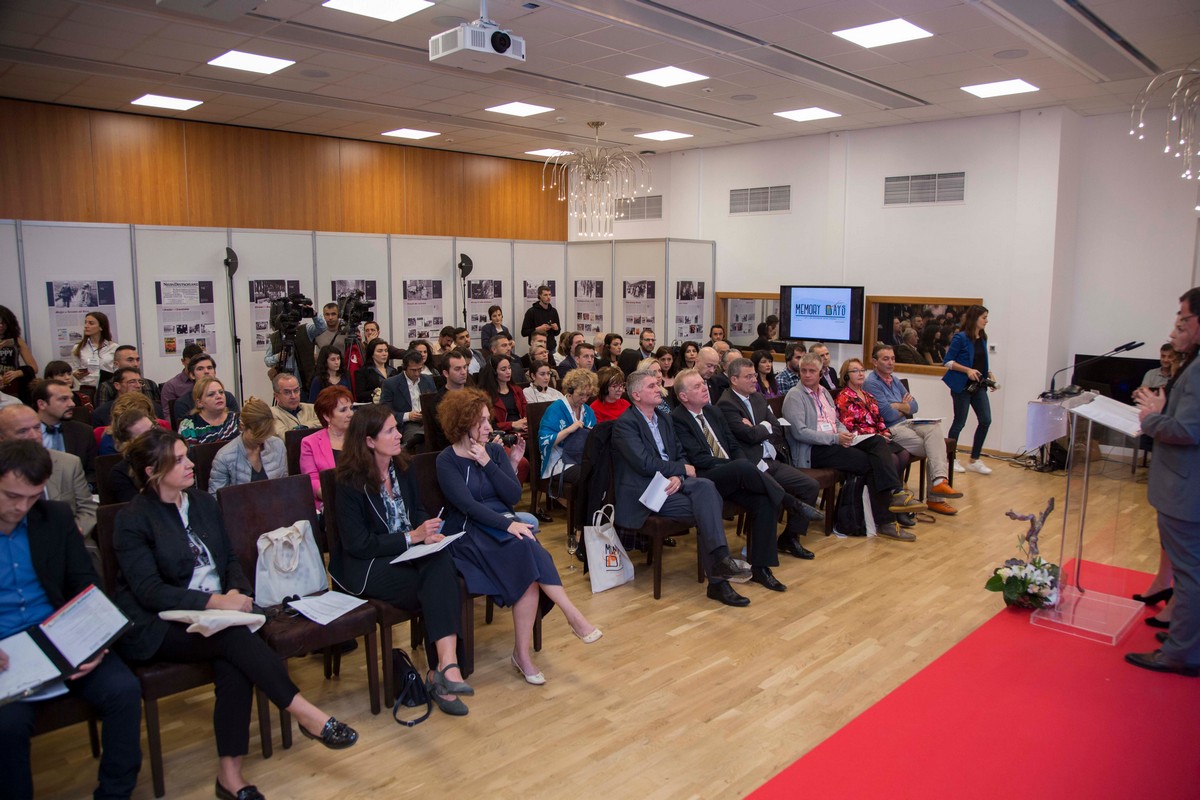
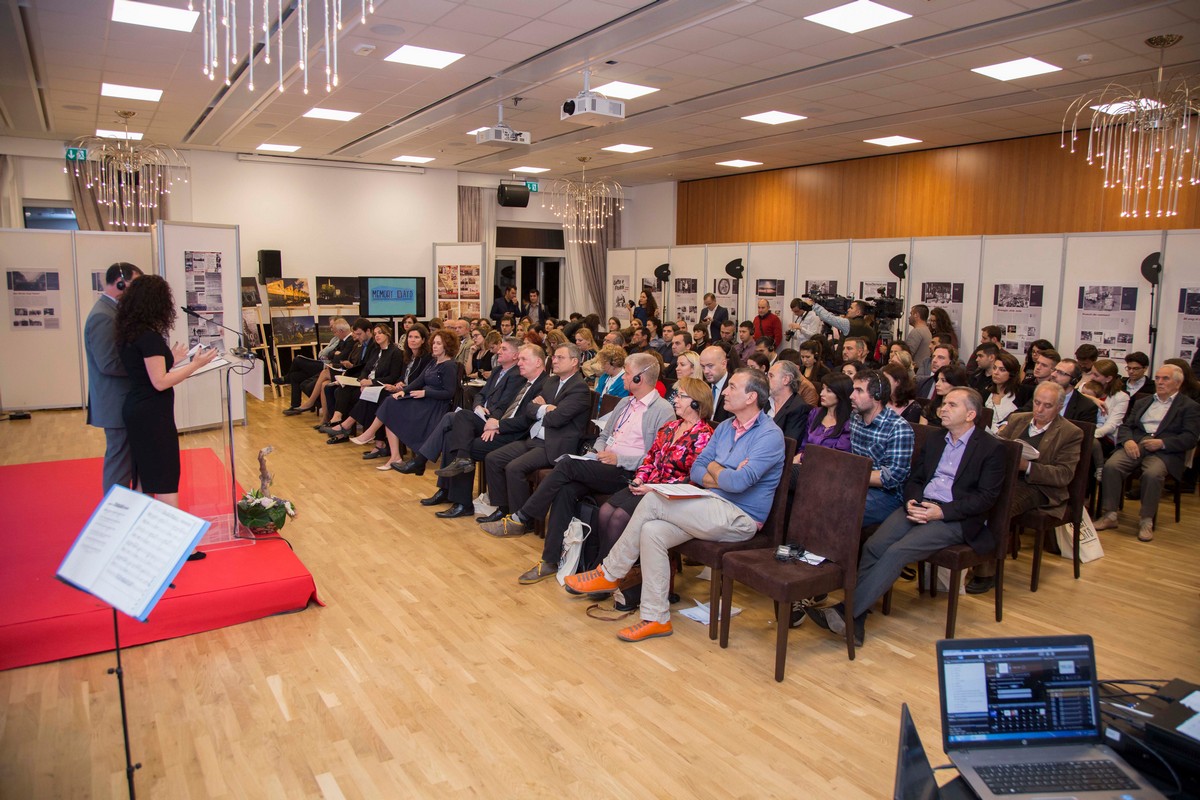
The event also included an exhibition titled "The Cold War," presented by Ulrich Mählert, a member of the Federal Institute for the Study of Communism in Eastern Germany.
"We shouldn't expect people to be interested in history; we should bring it to them."
Other speakers included Agron Gjekmarkaj, a professor at the University of Tirana, who gave a lecture on the importance of remembering the communist past, and Anke Holstein, Deputy Ambassador of Germany in the country.
In the concluding segment of the ceremony, the packed hall transformed into a cinema, where the premiere of the documentary "Children of the Dictatorship," produced by IDMC in collaboration with the Academy of Arts, directed by Besnik Bisha, was shown.
The documentary features personal stories from four individuals who lived or were born in internment camps, bringing to light the suffering and resilience of those affected by the regime.
In the following days, until October 28th, the activities will focus on three main areas:
- Developing a common agenda for various actors involved in remembrance initiatives.
- Reviewing the school curriculum to include more content about the dictatorship period.
- Raising awareness among young people about the past through creative projects.
Participation is open to all.