Memory Days '24

Dear friends and colleagues,
The Institute for Democracy, Media, and Culture (IDMC) and the Konrad Adenauer Foundation (KAS) invite you to the 9th edition of MEMORY DAYS, which will be organized on February 20–26, 2024.
Under the motto "Future Memories: Preserving History Without Witnesses" we aim to address the extraordinary challenges of preserving and transmitting our history when eyewitnesses are diminishing, and tomorrow they will not be with us anymore. After 45 years of Stalinist dictatorship in Albania and a significant lack of confrontation with the past after 1990, today the issue of remembrance and future challenges are more crucial than ever.
Across the world, museums, memorials, and memory institutions all face the same challenge: How to keep history alive when eyewitnesses are no longer among us? Technological advancements have increased the possibilities of preserving and processing oral testimonies and may be an opportunity to transition from live to virtual testimony, despite the ethical dilemmas accompanying this process. As Albania and former communist countries grapple with the consequences of their totalitarian pasts, it is essential to draw lessons from successful international experiences. This is not only to keep our history alive but also to ensure it is not forgotten and is learned by future generations.
MEMORY DAYS is an annual activity organized by IDMC with the support of KAS and in collaboration with other memory institutions inside and outside the country, since 2016. The activities during MEMORY DAYS aim to raise awareness in Albanian society about the consequences of communist regime crimes and to strengthen the dialogue on the past through debates, presentations of the latest publications on dictatorship, exhibitions, international conferences, documentary screenings, etc.

Continuing our tradition of collaboration, as in previous editions, we invite all organizations and institutions operating in the field of memory, both public and non-public, museums, local and international memory initiatives, associations of former political prisoners, research centers, etc., to be part of this edition.
Thank you!
The IDMC Team
Summary
- 1st Day, 20 February: MEMORY DAYS Opening Ceremony
- 2nd Day, 21 February: Conference "Future Memories: Preserving History Without Witnesses"
- 3rd Day, 22 February: Artistic Performance "M ù S ì N é"
- 4th Day, 23 February: Book Presentation "Trials Against the Communist Nomenclature (1993–1996)"
- 5th Day, 24 February: "Ask Your Grandparents 6" Awards
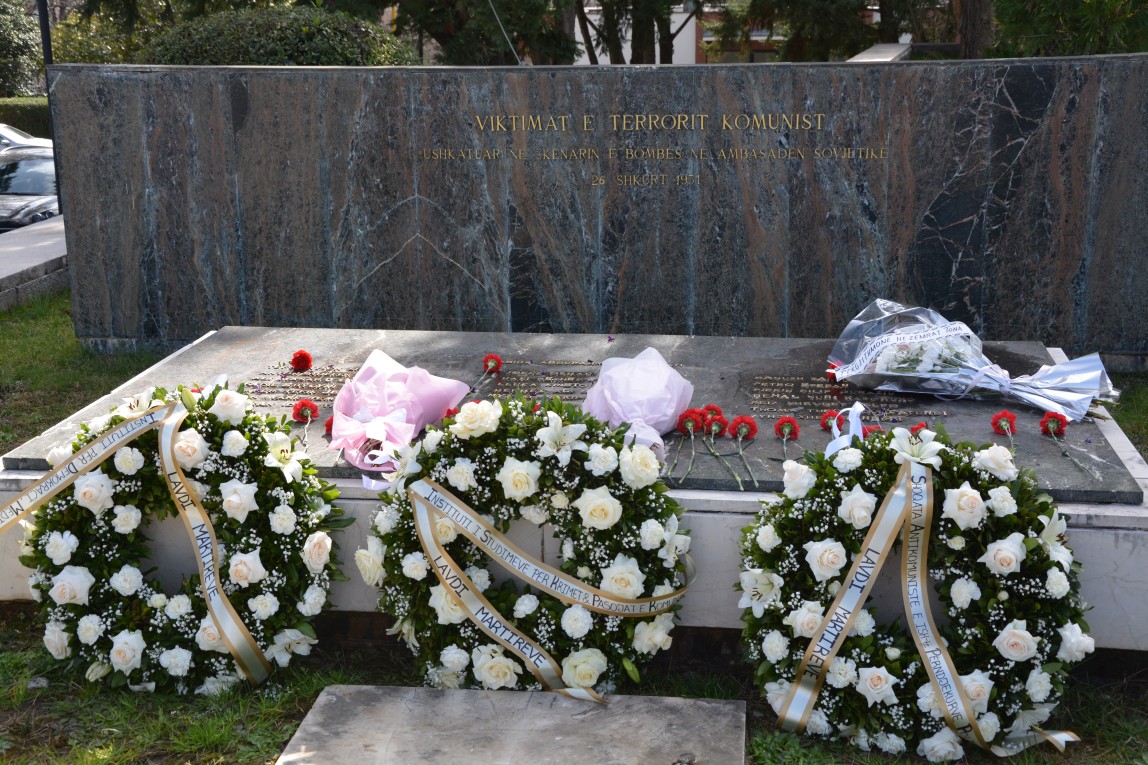
- 6th Day, 26 February: Remembering the Martyrs of 26 February 1951
1st Day, 20 February: MEMORY DAYS Opening Ceremony
The afternoon of 20 February marked the opening of the 9th edition of MEMORY DAYS, featuring the screening of the documentary "Stalin, the Life and Death of a Dictator".


The ceremony began with the welcoming remarks from Dr. Jonila Godole, Director of IDMC, and Mr. Norbert Beckmann-Dierkes, Director of the KAS office in Albania, as well as from the EU Ambassador, Mr. Silvio Gonzato, and the Swiss Ambassador, Mrs. Ruth Huber, which greeted and encouraged IDM’s initiatives and emphasized how important is to raise awareness of the past and don’t leave it in oblivion. An additional highlight of the ceremony was the speech of Mrs. Anna Kaminsky, Director of the Federal Foundation for the Study of Communist Dictatorship in East Germany Mr. Lekë Tasi, former political persecuted, who never stopped his entire life confessing and witnessing the persecution and suffering he endured along with many others.
"The motto of this edition 'Future Memory – Preserving History Without Witnesses' was not chosen by chance. Every day that passes we are losing precious witnesses of the time and some of them never managed to write their memoirs, leaving us the responsibility to tell and preserve their stories. It is precisely this that prompts us to continue the Memory Days, to make public opinion aware not only of the consequences of the dictatorship, but also to encourage each of us to take concrete steps so that the eyewitnesses of the persecution, serve as a window to a society where should prevail the memory, instead of forgetfulness."
The documentary was followed by a very interesting discussion panel between two historians, Dr. Jörg Baberowski & Dr. Ulrich Mählert, in a focused conversation on the aftermath of the USSR's collapse after Stalin's death, other former communist countries, as well as the specific case of Albania.
2nd Day, 21 February: Conference "Future Memories: Preserving History Without Witnesses"
The conference was greeted by the speech of Dr. Jonila Godole - Director of IDMC, Mr. Karl Bergner - German Ambassador to Albania, Mrs. Fatmiroshe Xhemalaj - Ambassador of EuroClio in Albania and historian Thomas Schrapel, who is the first foundation stone of the Institute for Democracy, Media and Culture, as the first Director of the Konrad Adenauer Foundation in Albania.
The first panel was moderated by historian Pjerin Mirdita and consisted of four experts from different European countries, who are engaged in institutions that operate in the field of memory and education.
Mr. Patrick Siegele, Head of the Department "Holocaust Education" at OeAD - the Austrian Agency for Education and Internationalization, presented in detail the work of his institution, as well as three programs and materials, which the department he directs offers to schools in Austria.
Dr. Sabine Kuder, historian and sociologist from Germany, presented her work as head of the public history department at the Federal Foundation for the Study of the Communist Dictatorship in East Germany. She focused especially on the work they do as a department in the involvement of eyewitnesses of past events in the communist period as well as the engagement of young people in their projects.
Mr. Stanislav Skoda from the Institute for the Study of Totalitarian Regimes in the Czech Republic gave his view on the similarities of the application of the communist system in Eastern Europe, focusing on the many collaborations and projects that this Institute has with ISKK in Albania.
While in conclusion, Mrs. Louisa Slavkova, founding member and director of the Sofia Platform, presented the work and projects that the foundation she is a part of develops in the preservation of memory in Bulgaria. Of interest was the presentation about the memorial in Belene, the only one of its kind in Bulgaria, where, thanks to the advancement of technology and AI, it is one of the most modern institutions in the region.


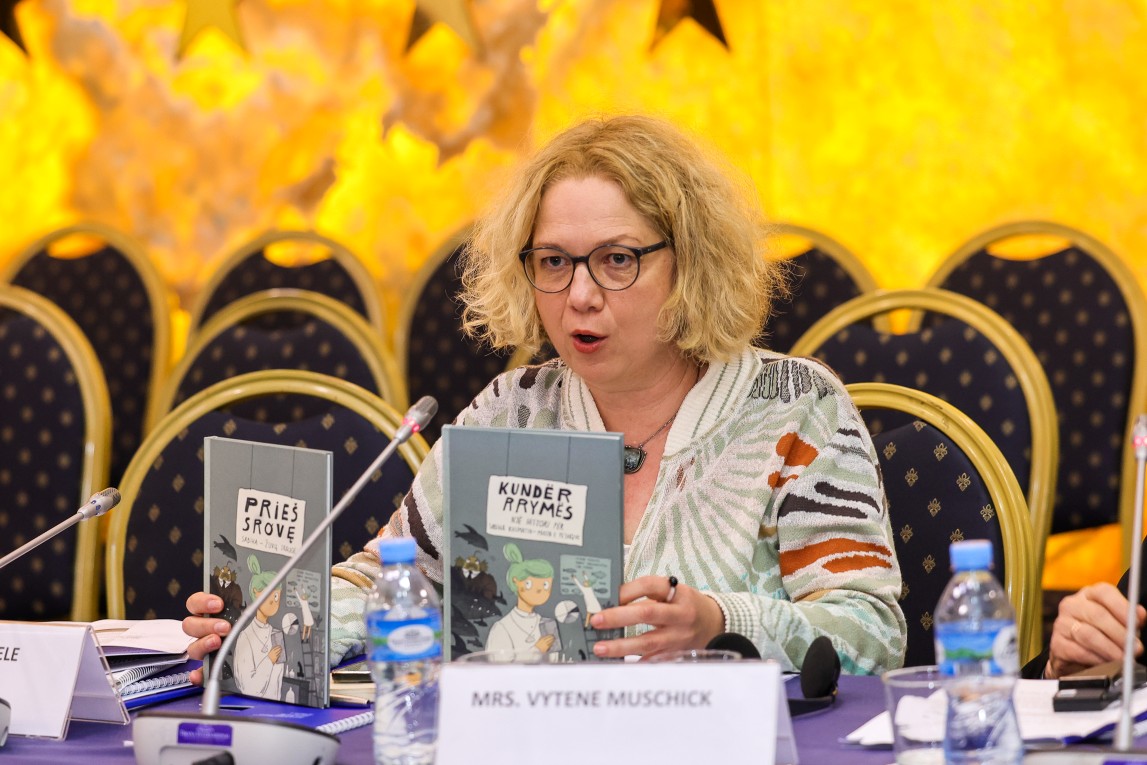

The activity continued with a round table on the topic "Preserving the History of Communist Persecution in Albania – Challenges and Opportunities", where the panelists Mr. Çelo Hoxha, Director of ISKK, Mrs. Etleva Demollari, Director of the National Museum "House of Leaves", Mrs. Admirina Peçi, Kujto.al journalist, Ms. Oriada Dajko, coordinator of the "Ask Your Grandparents" competition and Ms. Gjelosh Progni, representative of the Anti-Communist Association of the Former Persecuted, shared their experiences and perspectives regarding the contribution of each institution that they represent, in the preservation and inheritance of history in the future. Mrs. Fatbardha Mulleti Saraçi, author and ex-persecuted, Mrs. Alma Liço, author and ex-persecuted and Mrs. Vytene Muschick, translator, shared with the participants their experiences and memories through the books they have published, as evidence to be passed on between generations. History teachers Vojsava Kumbulla and Eljona Plaku, introduced us to their challenges and efforts to convey history to the new generation as concretely as possible, through extra curricular materials , which IDMC has always made available to them. The conference ended with a question and answer session moderated by historian Brisejda Lala.
3rd Day, 22 February: Artistic Performance "M ù S ì N é"
The National Museum “House of Leaves”, welcomed the artistic performance "M ú S ì N é - Just Like Us! Voices that Withstood Time" executed masterfully by the students of the Drama Club of the Faculty of History-Philology, UT. The voices from the past of Musine Kokalari, At Zef Pllumi, Sabiha Kasimati, Vilson Blloshmi, and many others who stood against Albania’s communist dictatorship, came to life again through the pantomimes and the fantastic play of literature students.
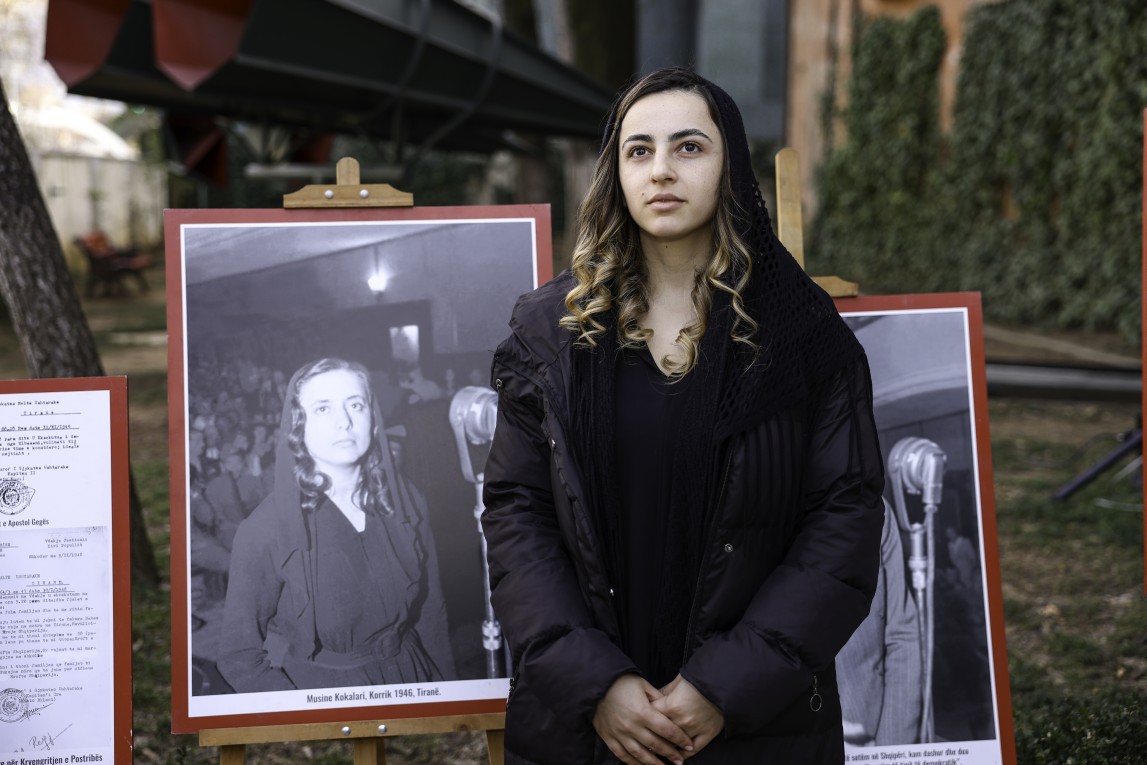
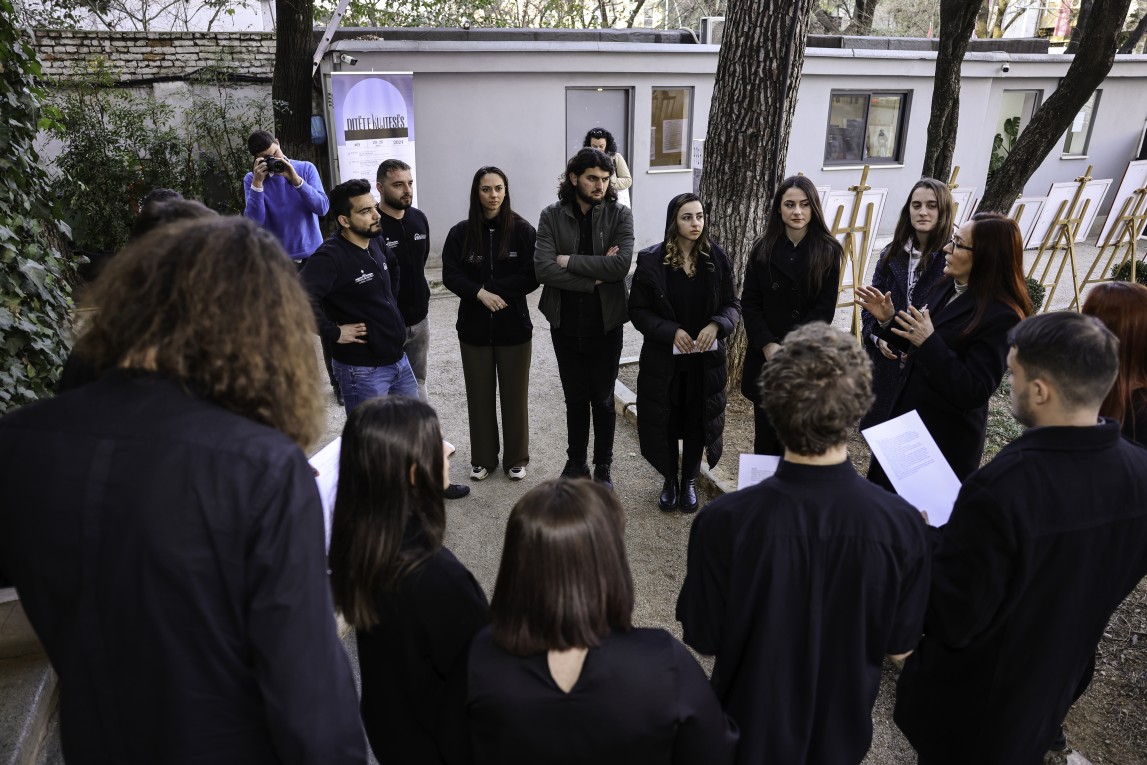


They gave strong emotions and left impressions on the guests, with the pieces taken from the creativity of these brave resistance fighters.
The event was greeted by Prof. Erenestina Gjergji Halili - curator of the performance and the event, Dr. Jonila Godole - Director of IDMC, as well as by Mrs. Ruth Huber, Ambassador of Switzerland in Albania, who supported this performance.
4th Day, 23 February: Book Presentation "Trials Against the Communist Nomenclature (1993–1996)"
IDMC's newest publication, "Trials against the Communist Nomenclature 1993-1996", is the first of its kind, which sheds light on one of the most significant moments of the transitional justice system of the new democratic Albanian state. This edition prepared by Dr. Çelo Hoxha, Dr. Jonila Godole and Mr. Kastriot Dervishi, comes in front of the reader as the fruit of several years of research to ensure the decisions of court proceedings against 35 former high officials of the communist regime, as they were popularly known as the "coffee courts", where the nomenclature was convicted for ridiculous abuses and not for political crimes.
While the political persecuted were waiting for a true trial for the persecutors, responsible for thousands of prisoners, killed and disappeared people, and for hundreds of exiled families - this did not happen. There was no discussion about the legal framework, pressure from the newly formed civil society, no societal reflection on the causes and consequences of a repressive regime and the opportunity for a deep moral catharsis and a true separation from the past.

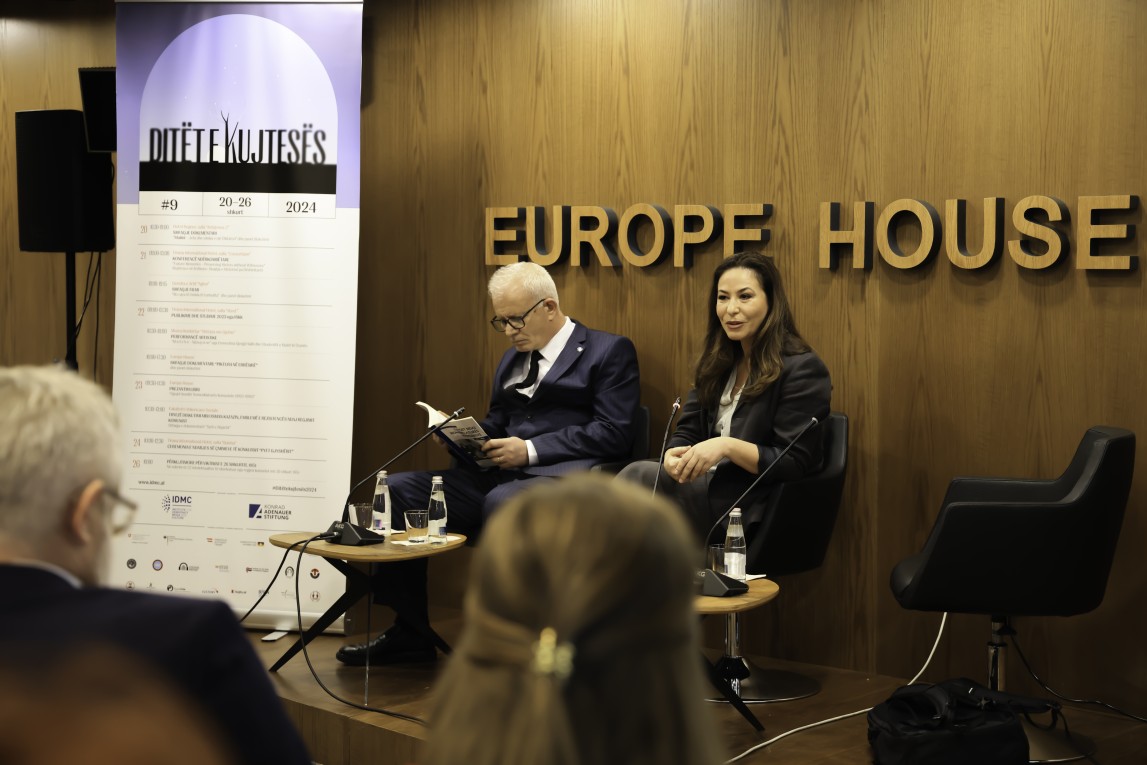
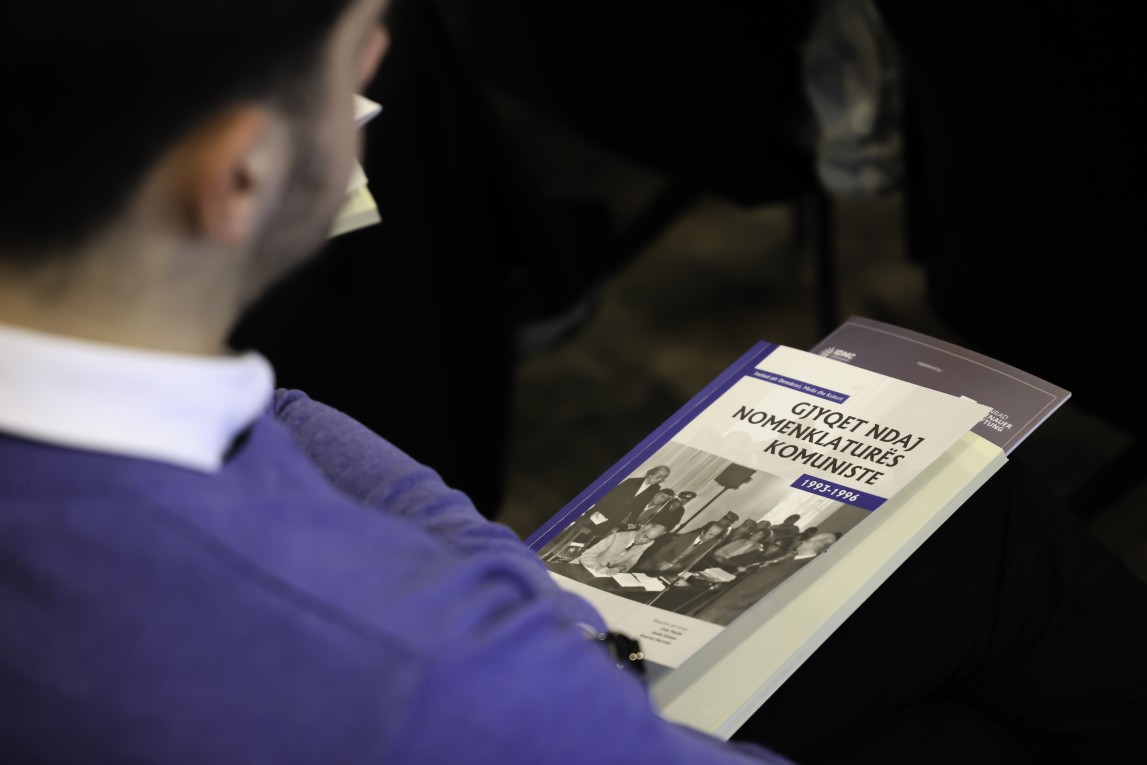
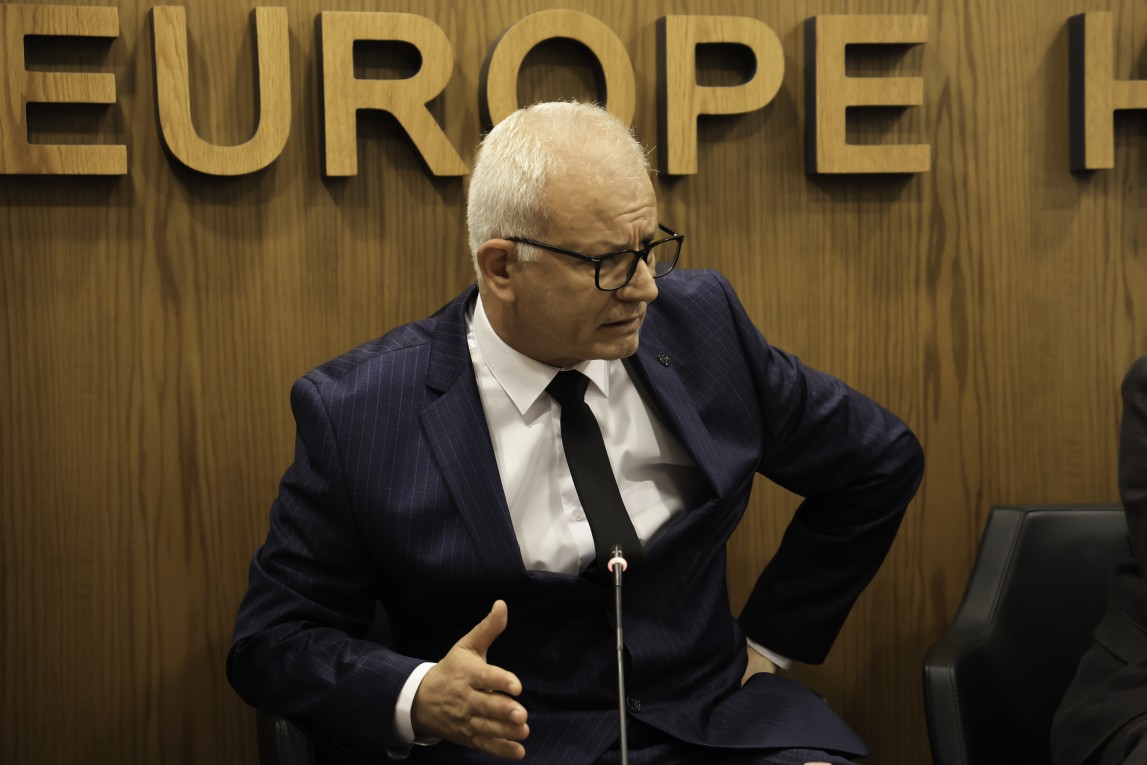


Under the moderation of the journalist Neritan Sejamini, the presentation was followed by a conversation between the panelists and those present in the hall, focused on the non-punishment of the crimes of communism, the consequences of the decisions made, as well as the creation of the culture of impunity in Albania. The perspectives of the lecturer of the Faculty of Law, Mrs. Nadia Rusi, as well as that of the former judge who gave three death sentences in 1996, Mr. Shaqir Hasani, was an added value of the discussion.
5th Day, 24 February: "Ask Your Grandparents 6" Awards
"Pyet Gjyshërit" është eventi që sjell ndikimin më të madh në ndërgjegjësimin për të shkuarën tek brezi i ri.
Edicioni i gjashtë i këtij konkursi organizuar nga Instituti për Demokraci, Media dhe Kulturë dhe Fondacioni Konrad Adenauer në Shqipëri, pati 27 finalistë në ceremoninë finale nga 175 pjesëmarrës në total.
Të rinjtë u sfiduan në disiplinat e multimedies dhe rrëfimeve të shkruara, me shpërndarje gjeografike në të gjithë Shqipërinë, për të rrëfyer historitë e vendeve të panjohura dhe për të reflektuar mbi të ardhmen e këtyre vendeve.
Prezantues të këtij edicioni ishin Alba Lloshi, gjimnaziste dhe fituese e çmimit të dytë në edicionin e kaluar të konkursit "Pyet Gjyshërit" dhe Markus Dalla Via, vullnetar nga Austria Service Abroad.
Në finalen plot emocione u shpërndanë 9 çmime, 2 çmime inkurajuese surprizë për finalistët, 1 çmim i rrjeteve sociale dhe 6 çmime të jurisë: 3 të treta, 2 të dyta dhe 1 çmim i parë.
Çmimi i parë i jurisë iu dha:
- Engjëllushe Pashajt, nxënëse nga Shkolla e Mesme e Bashkuar "Dervish Hekali" Mallakastër, me punimin multimedial "309". Çmimi u dorëzua nga Jonila Godole, drejtore e IDMC-së dhe Fatmiroshe Xhemalaj, historiane dhe anëtare e jurisë.
Çmimi i parë nga rrjetet sociale iu dha:
- Delton Zenelajt nga gjimnazi "Havzi Nela", Kukës, me punimin multimedial "Qyteti nëntokësor i Kukësit". Çmimi u dorëzua nga Albona Leka, pjesë e stafit organizativ të "Pyet Gjyshërit".
Çmimet e dyta iu dhanë:
- Joana Teneqexhi, me punimin multimedial "Mua më kujtohen: Shtëpitë në komunizëm". Çmimi u dorëzua nga ambasadori gjerman, Karl Bergner.
- Matias Grishajt, me një ese për muzeun ateist në Shkodër. Çmimi u dorëzua nga ambasadori austriak, Christian Steiner.
Çmimet e treta iu dhanë:
- Georgios Giakoumis, me hulumtimin për Manastirin e Pepelit në Dropull. Çmimi u dorëzua nga drejtuesi i Fondacionit Konrad Adenauer në Shqipëri, Norbert Beckmann-Dierkes.
- Rosela Kasos, me një shkrim për fshatin kufitar të Vidohovës. Çmimi u dorëzua nga historiani dhe ish-drejtuesi i KAS-it, Thomas Schrapel dhe gazetari e anëtari i jurisë, Agim Baçi.
- Arla Pezës, me punimin multimedial për kampin e Tepelenës. Çmimi u dorëzua nga Gëzim Peshkopia, ish-i përndjekur politik dhe Vojsava Kumbulla, koordinatore e mësuesve dhe drejtuese e Shoqatës së Mësuesve të Historisë në Shqipëri.
Çmimet inkurajuese iu dhanë:
- Era Nergutit, me një shkrim për minierën e Gjegjanit në Kukës;
- Bjorna Filopatit, me një shkrim dhe instalacion për bunkerët në Shqipëri, nga qyteti i Rrëshenit.
Çmimet u dorëzuan nga koordinatorja e konkursit "Pyet Gjyshërit", Oriada Dajko.


Ndër të tjera, surprizë e këtij viti ishte dhe mundësia që do t’u jepet fituesve të edicionit VI të "Pyet Gjyshërit" për të kryer një udhëtim në Riga, kryeqytetin e Letonisë e për të marrë pjesë në Samitin që do të kryhet atje, lajmërim ky i transmetuar prej vetë drejtueses së EUSTORY, Katja Fausser, përmes një videoje përshëndetëse.
Çmimet në vlerë monetare, me të cilat u shpërblyen të rinjtë finalistë dhe fitues, u financuan nga partneri i Institutit për Demokraci, Media dhe Kulturë: Raiffeisen Bank.
Në mbyllje, falënderojmë të gjithë të rinjtë pjesëmarrës duke vlerësuar jo vetëm punimet e tyre, por edhe gjithë procesin krijues e reflektues për të arritur në këto punime kaq cilësore.
6th Day, 26 February: Remembering the Martyrs of 26 February 1951
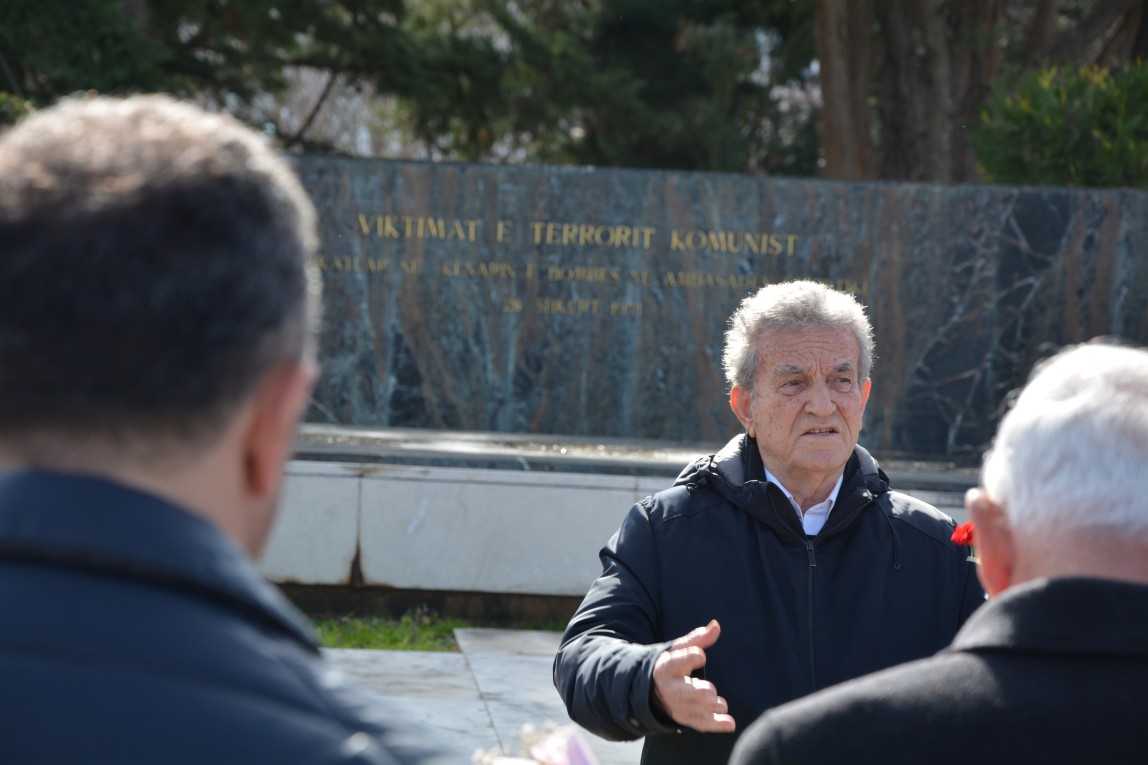
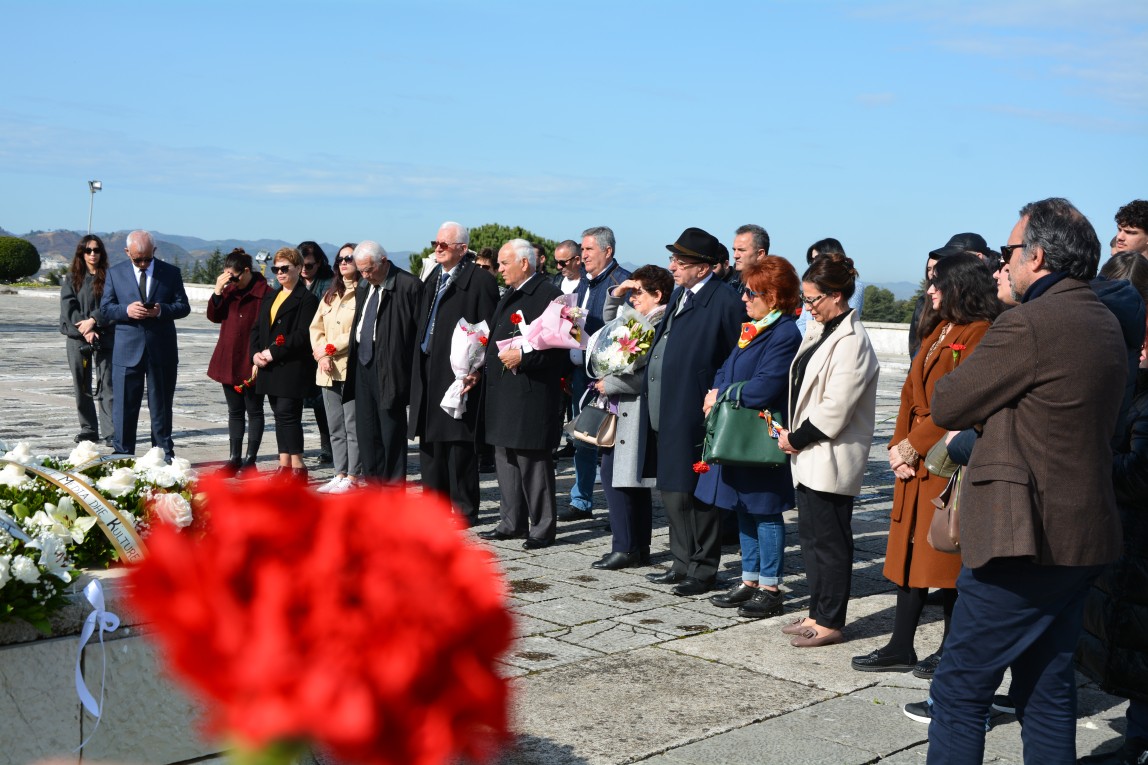
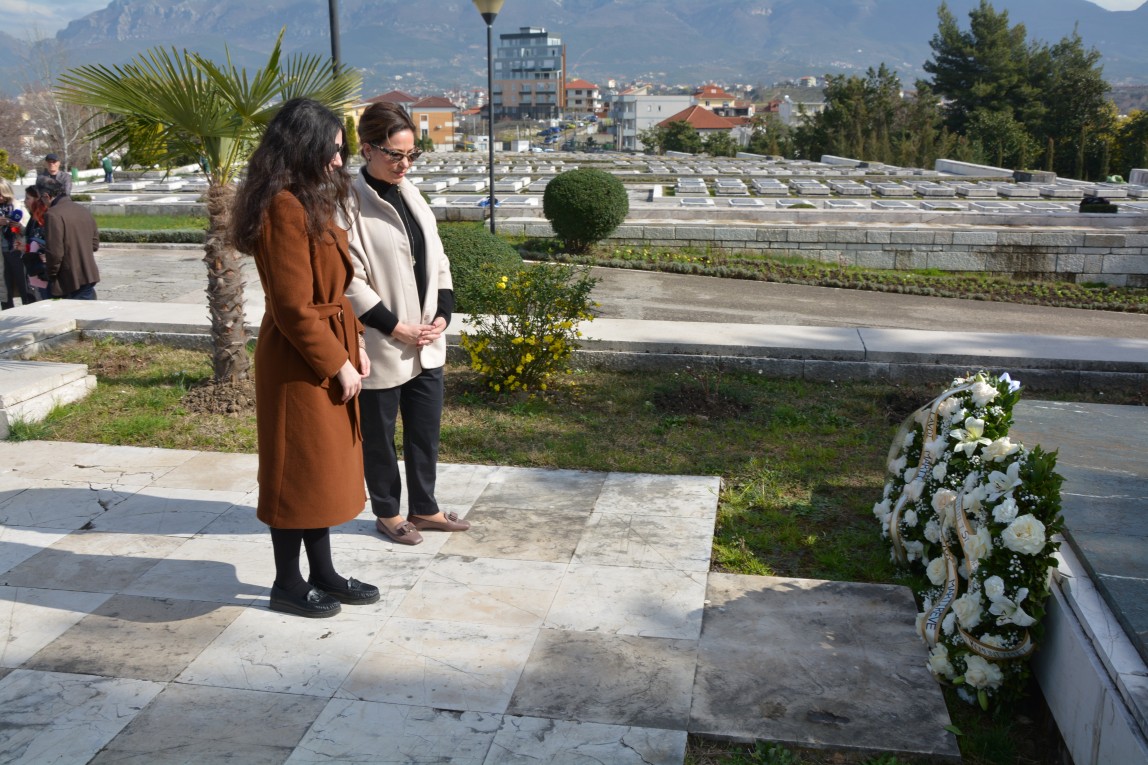
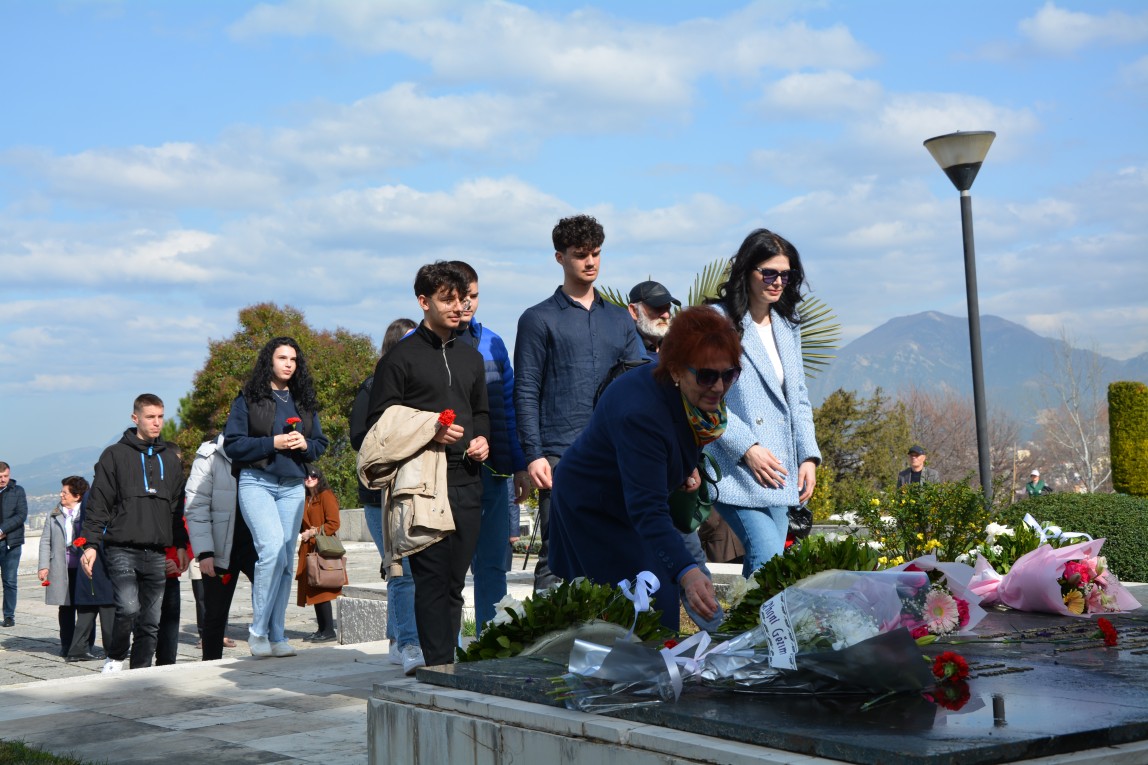
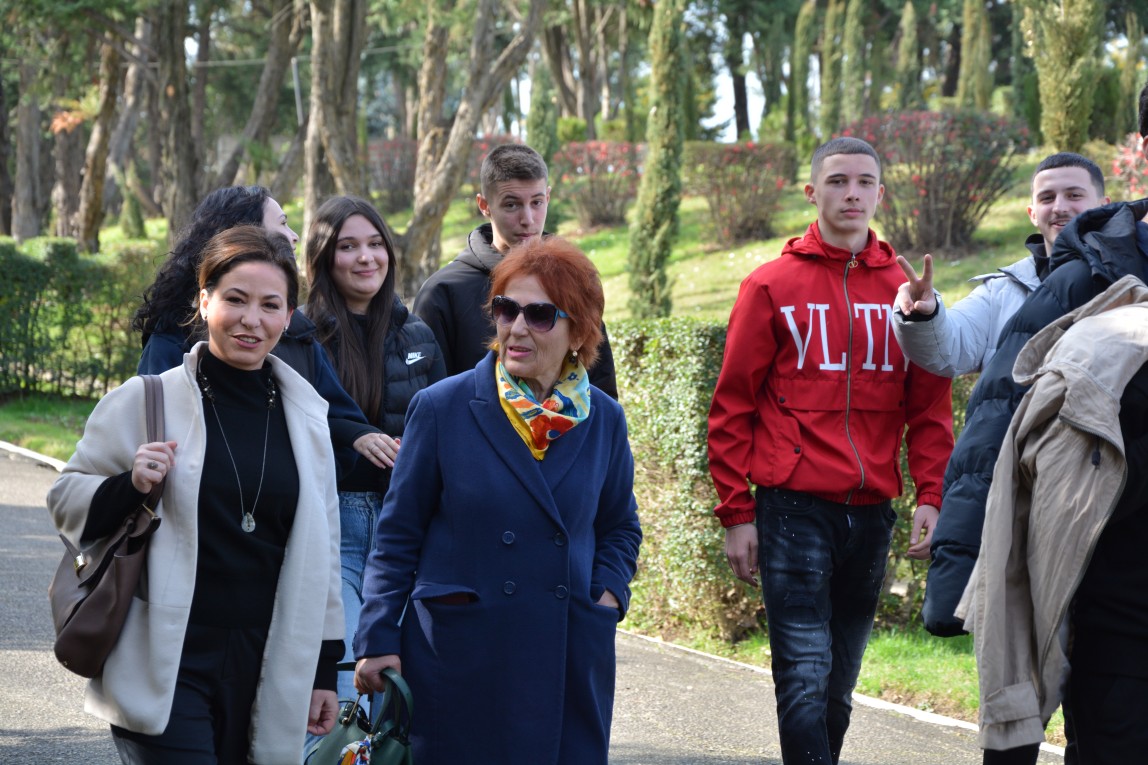
IDMC in cooperation with ISKK, with the participation of the former political persecuted, students and teachers of the Aleks Buda high school, commemorated with honor the 22 martyrs of February 26, 1951.
On February 19, 1951, a bomb exploded at the USSR embassy in Tirana. This event led the Politburo to order the execution of 22 intellectuals, falsely accused of involvement. On the night of February 26, these innocent victims were executed on the bank of the Erzen River, near the village of Mënik, without a prosecutor, without a trial and without any official explanation, and were buried in a common pit, bound with barbed wire. Among the victims was Sabiha Kasimati, the only intellectual female between the 22 people.
In 1991, all victims were posthumously declared innocent, and in 2008, they were honored with the title "Honor of the Nation".