
"Literature as a Place of Memory" in Shkodra

The not-so-distant dictatorial past of Albania is "stored" in various places of collective memory, such as in the special museum of testimony and memory in Shkoder, in the prisons and internment camps, in the television archives, and in textbooks or journalistic works. Literature is a very important site of memory, in particular autobiographical literature. Many of those who survived imprisonment and deportation during dictatorship, like writers, confess through authentic stories their individual history, and make us a diagnosis of society and time by leaving historical evidence with multidimensional values. All these create another possibility for dialogue, be it subjective and objective, as well as literal and real.


Institute for Democracy, Media & Culture organized a two-day activity in Shkoder, entitled "Literature as a Place of Memory". It aimed at discovering the role of literature in a dialogue about history, its place in the collective memory, as well as the opportunity offered for education of future generations with historical consciousness.
On the first day, a panel of professionals from the fields of literature, journalism and academia, gathered to talk about the works that deal with the dictatorial past through autobiographical literary stories or real events of the communist terror and violence. The activity was held at the Franciscan Church, with guests like Dr. Agron Gjekmarkaj, Prof. As. Dr. Eugen Pepa, Ms. Brunilda Lleshi, and Mr. Marçel Hila. An interactive dialogue was moderated by Ms. Sara Michel, involving all the participants, both listeners and speakers, and which centered on the creation and strengthening of collective memory.


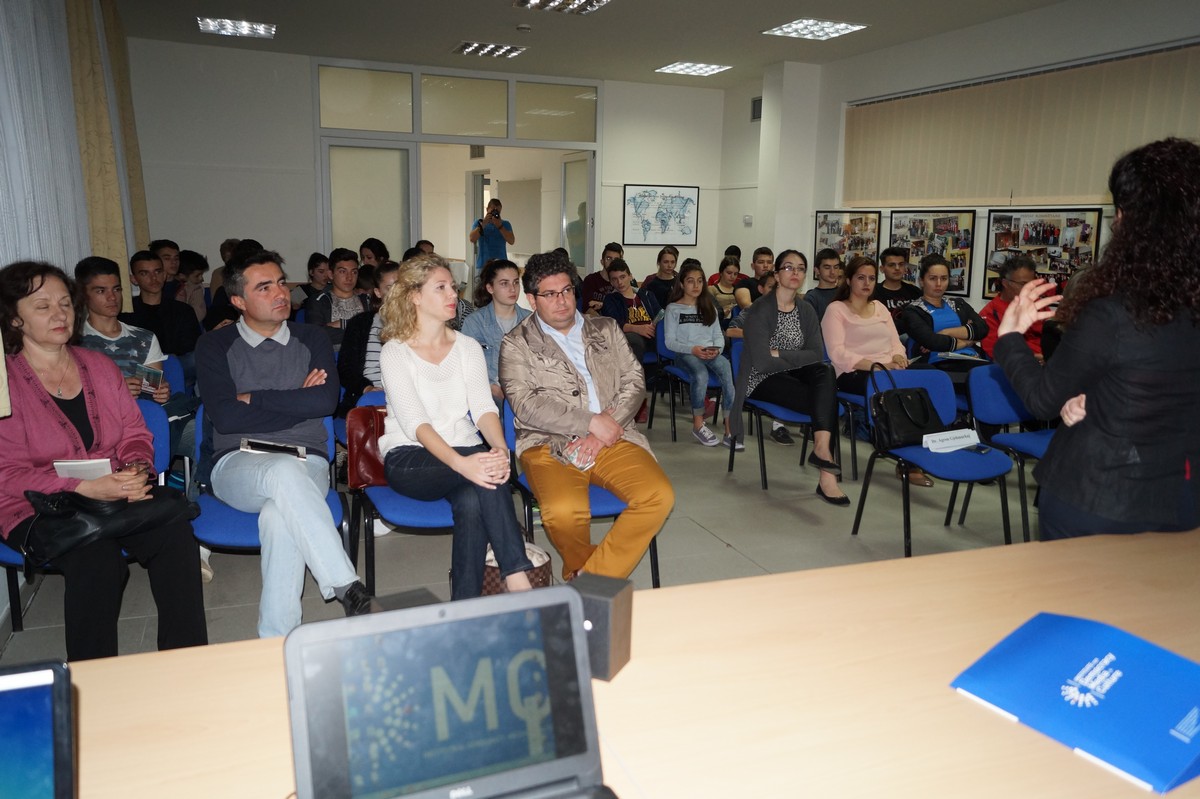


The second day followed with a conversation at the Austrian school "Peter Mahringer" in Shkoder, with Ms. Alma Liço. After the screening of "Memory of a Country that Forgot to Forget" documentary, she shared her experience of dictatorship. Discussions were moderated by Mr. Parid Teferiçi. Personal stories told by former political persecutees resembled a "meeting place" where the youth was confronted with the dark history of dictatorship and the places of memory under the great communist oppression. The documentary screening was complemented by a visit to the Site of Witness and Memory in Shkodra.
Participants once again returned to the Franciscan Church to proceed with the second day of the event. Joining the panel were Mr. Preç Zogaj, Ms. Alma Liço and Mr. Alfred Lela, who emphasized the importance of acknowledging the past. Under the moderation of Ms. Sara Michel, they talked about confronting the past and exchanging views about the present through different forms of narration, because literature is memory and memory is identity.